Can You Fix a Slab Leak Without Digging
For many homes, the answer is yes, because the failed line does not have to be reached directly to be replaced or sealed. Modern rerouting and lining methods were developed for exactly this problem in slab on grade housing. The slab, tile, and wood floors above can often stay untouched. Detection uses sound and pressure together, because either test alone can mislead when sand carries noise a long way. Guessing helps nobody, so insist on evidence before any method is chosen.
That said, no method fits every pipe, layout, or level of damage, and anyone promising a no dig fix before locating the leak is guessing. Detection comes first, then a straight account of which options your home actually qualifies for. In Bradenton, that sequence protects both the floor and the repair itself. Expect the crew to mark the floor only after results agree, which is a good sign of careful pinpoint work.
How Rerouting Bypasses the Slab
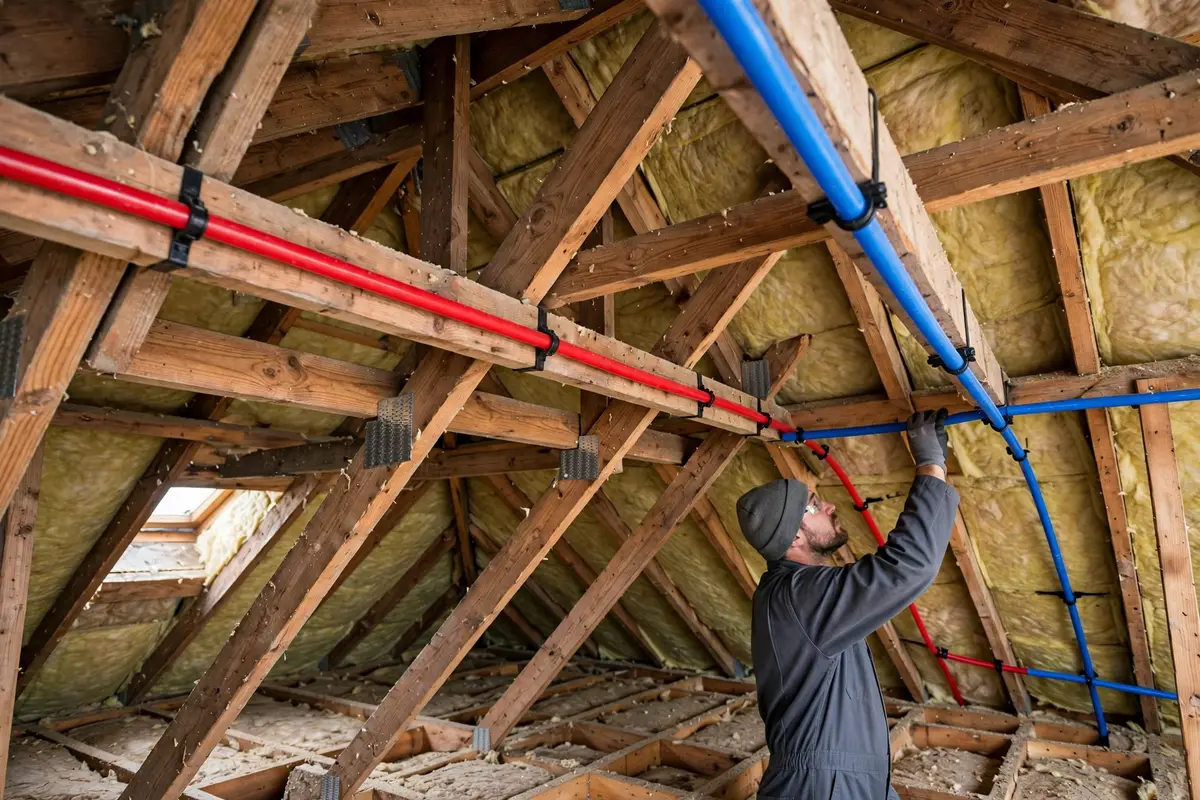
Rerouting runs a new water line through wall cavities, cabinet voids, or the attic, then connects it to the fixtures the old line served. The leaking section under the slab is capped at both ends and left dry and unused. Water never travels through the failed pipe again. Wall openings for a reroute are usually small and placed behind fixtures or inside cabinets where they are easy to patch. Small wall patches afterward are routine work for most painting trades locally.
The work happens above the slab, so there is no concrete dust and no floor to rebuild afterward. Routes are planned around your layout, and most homes in Manatee County have accessible attic space for the run. Ask to see the planned route on paper, including where access panels or small wall openings are needed. The old line should be drained and clearly capped, and its location noted in your paperwork for future reference.
How Epoxy Lining Seals From Within
Epoxy lining coats or sleeves the inside of the existing pipe, creating a smooth new barrier that seals pinholes and hairline cracks. The pipe is cleaned and inspected first, because lining over heavy scale or collapsed sections will not hold. When conditions fit, the floor above stays completely closed. Preparation includes flushing loose debris, because a clean inner wall helps the lining bond evenly along the full run. Not every pipe qualifies, and a candid refusal here builds real trust.
Lining suits long runs where opening the floor at several points would be disruptive, and it is widely used on drain lines. For small pressurized supply lines, candidacy is narrower, so expect a clear yes or no after inspection. A lining that is wrong for the pipe helps no one, and a good crew will say so. After curing, the line is checked again, so you know the seal holds under normal household pressure before use.
When Opening the Floor Is Honest
Sometimes a small opening is still the right answer, for example when a single break sits under a garage or utility floor, or when a line has collapsed and cannot be lined or bypassed cleanly. In those cases, a pinpointed opening is targeted, not exploratory, and it is sized to the repair only. A targeted opening is measured and cut cleanly, which makes patching the concrete and restoring the floor far simpler afterward. The goal is a lasting fix, not the smallest possible first step.
Be wary of any plan that opens large areas to search for a leak by trial. Pinpointing with listening equipment should narrow the spot first. Around Bradenton, sandy soil over limestone can shift support, so the condition found at the break also informs whether nearby pipe should be addressed at the same time. Ask for photos of the exposed break before it is repaired, since they document the true cause for your records.
Questions to Ask Before You Decide
Ask which no dig options your pipe qualifies for, and why any option was ruled out. Ask where a reroute would run, what lining would cover, and how long each path takes from start to restored water. Written answers let you compare methods on facts rather than promises. Timelines matter too, so ask when water will be off, when it returns, and what happens on each visit. Bring your own list of concerns, so nothing important gets forgotten then.
Also ask what happens if the chosen method reveals worse pipe than expected, and how that changes the plan. To walk through the choices for your home, call (941) 307-1712 with your signs and meter notes ready. A calm, specific conversation now prevents rushed decisions once work is underway in your home. The clearest answers will name tradeoffs openly, including noise, dust, and patching, rather than presenting one option as perfect.
Questions About Can You Fix a Slab Leak Without Digging
Does rerouting lower water pressure at my taps?
A well planned reroute uses properly sized pipe and smooth runs, so pressure at fixtures should feel normal in daily use. Very long detours can be designed with that concern in mind. If pressure already feels weak, mention it, since the old line may be part of the cause.
How long does an epoxy lining last in place?
Lining materials are made for long service inside the pipe, but honest answers depend on the product used and the condition of the host pipe. Ask what material is proposed for your line and what care it needs afterward. Keep the paperwork with your home records for future work.
Can every room stay usable during a reroute?
Most rooms stay usable, though the rooms along the new route may need furniture moved and short periods without water. Attic and wall work can be noisy during the day. Ask for a room by room outline before the start date, so you can plan around it.
What if I want no digging but my pipe does not qualify?
Then the smallest pinpointed opening may be the only sound path, and a trustworthy crew will explain the reason clearly. You can still limit disruption by confirming the exact spot first. Getting a second written assessment is reasonable before agreeing to open finished floors.