
Slab Leak Help Rooted in Anna Maria Village Life
At the quiet north end of Anna Maria Island, the City of Anna Maria still feels like a small coastal village on most mornings. Narrow streets, low rooftops, and water on nearly every side shape how homes here are built, plumbed, and cared for over long sunny decades. When a supply line fails beneath a slab in this setting, the problem stays hidden while it soaks soil, lifts flooring, and quietly strains daily routines.
Bradenton Slab Leak Pros works in this village often enough to know its rhythms, from early walkers along Bay Boulevard to golf carts rolling toward the piers. Island access, tight lots, and close neighbors all shape how a repair visit should be planned and carried out. We arrive prepared for narrow driveways and older plumbing layouts, and we explain each finding in plain language before any concrete is opened or any line is disturbed.
High Water Tables and Salt Air at the North End
Few places in Manatee County sit closer to the water table than the north end of this island, where canals, the bay, and the Gulf surround nearly every block. Groundwater can rest only a short distance below a slab, so even a modest leak adds moisture to soil that is already damp for much of the year. That constant wetness softens the base under concrete and lets fine sand migrate away from pipes over time.
Salt carried on sea breezes reaches metal fittings, valves, and exposed pipe ends around Anna Maria homes throughout the year, speeding corrosion in small and often unseen ways. Galvanic reactions between mixed metals grow worse in this damp, salty air, especially inside cramped utility closets and outdoor shower lines. A pinhole that might take decades to form inland can open much sooner here, which is why early testing matters so much on this island.
Property owners can help by watching how quickly puddles vanish after a hard rain on their own lot during the wettest weeks of summer each year. Ground that stays glossy and soft for days often sits over saturated soil, and a new leak there spreads wider than owners expect. Sharing those observations with our crew helps us judge how long moisture has surrounded the lines beneath your slab before testing even begins on site.
Pine Avenue, Bean Point, and the Two Island Piers
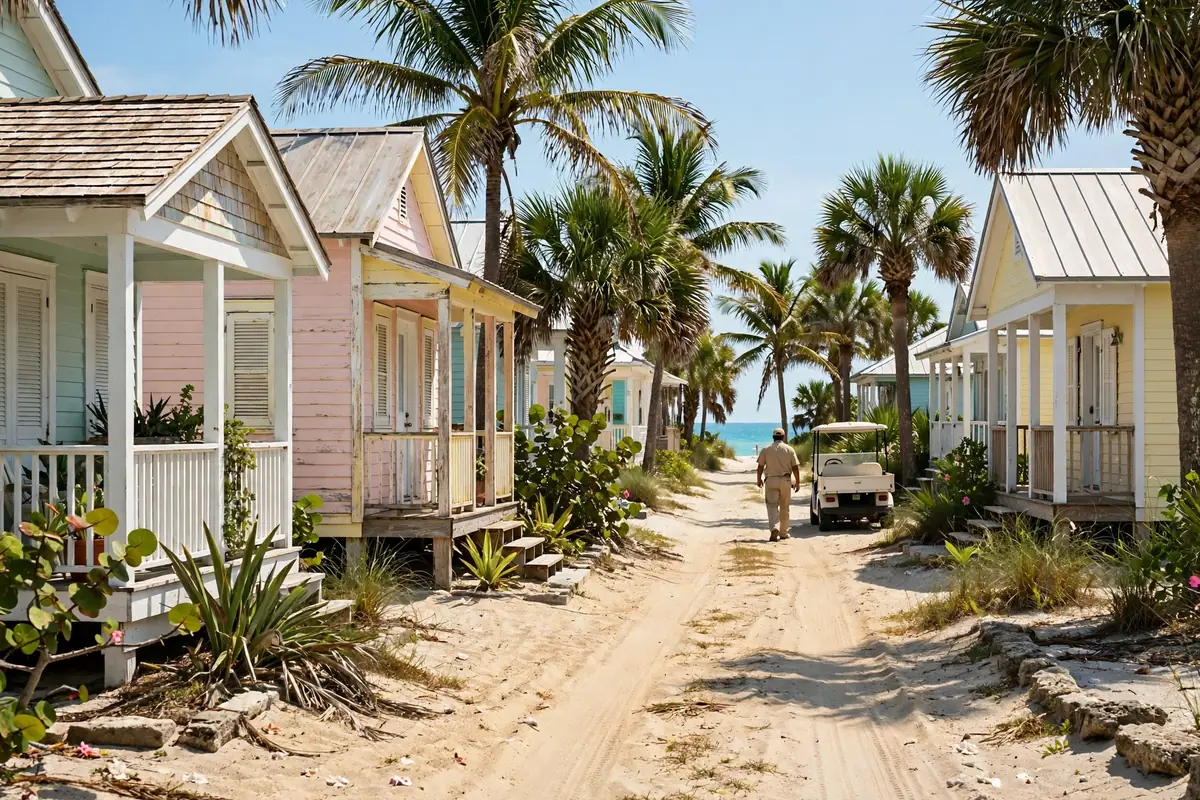
Pine Avenue runs the width of the city, lined with small shops, cafes, and cottages that give Anna Maria its walkable village character. Homes near this corridor mix original beach houses with careful renovations, and many sit only steps from busy sidewalks and parked bicycles. A slab leak on these streets calls for tidy work areas and clear communication, since guests, neighbors, and shop traffic pass close by throughout the day.
At the northern tip, Bean Point offers wide sand and quiet views where the bay meets the Gulf, and the streets behind it hold some of the oldest homes in the city. The Rod and Reel Pier and the City Pier anchor the bay side, drawing anglers and diners along Bay Boulevard North. Houses near these landmarks often combine porches, additions, and updated plumbing tied into lines that have served for generations.
Early Cottages and Newer Elevated Homes Side by Side
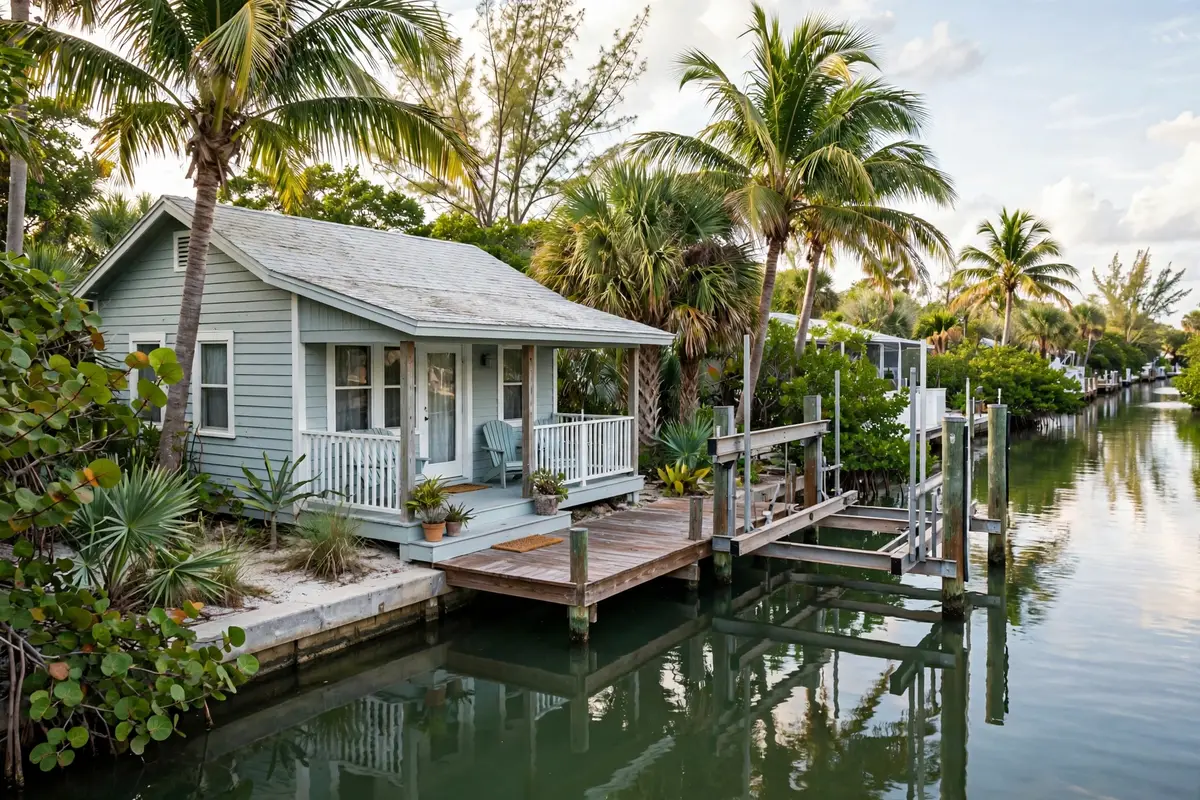
Some Anna Maria cottages date to the early 1900s, built low and simple for fishing families and winter visitors who arrived by boat and later by bridge. Their plumbing may have been replaced in stages, leaving copper, galvanized, and plastic lines joined together beneath a single modest slab. Each material ages at a different pace, so a careful map of what runs where guides every detection and repair decision we make.
Beside those cottages stand newer elevated homes lifted on pilings, with living space above parking and storage at ground level. Their supply lines often travel farther, dropping from raised floors to grade level equipment and outdoor kitchens before reaching fixtures. Leaks in these homes can hide inside chases, under stair landings, or below enclosed ground floor rooms, and finding them takes patient tracing rather than guesswork or broad demolition.
Pipe Failures That Trouble Anna Maria Slabs Most Often
Pinhole leaks in aging copper remain the trouble we trace most often under Anna Maria slabs, usually where mineral rich water and salty air have thinned the pipe wall for years. Joints buried during past additions can also loosen as soil shifts, turning a slow drip into a steady wash beneath the concrete. Because these failures start small, the earliest clues are often subtle sounds, faint warmth, or a meter that never fully rests.
Canal side homes face another pattern, where roots from palms and tropical plantings seek moisture around service lines and press against fittings near the slab edge. A root does not need to crush a pipe to cause harm, since steady pressure plus gritty sand can wear a joint until it weeps. We check these outdoor runs during detection, because fixing only the indoor symptom leaves the real cause waiting just beyond the wall.
Clues Anna Maria Owners and Renters Notice First
Guests in a vacation rental often report the first hints, such as a warm patch on tile near the kitchen or a faint hissing behind a quiet bathroom wall. Owners who live away may only see a water bill climb between visits, with no visible puddle anywhere inside the home. Both clues deserve prompt attention, because a hidden slab leak keeps flowing day and night whether anyone is in residence or not.
Other signs include baseboards that swell, luxury vinyl planks that click or lift, and a musty odor that returns soon after cleaning in ground floor rooms. Outside, one patch of lawn near a canal wall may stay greener and softer than the rest of the yard after dry weather. When several of these hints appear together, pressure testing can confirm whether the source sits under the slab or somewhere simpler to reach.
Rental managers in the city often keep a simple log of guest comments about sounds, pressure, and warm spots, and that habit quietly catches leaks earlier than annual inspections alone ever would. A note dated weeks apart can show a problem growing, moving from one bathroom report to a hallway floor complaint in the same home over time. Bring that log along to the visit and we will fold it into our testing from the start.
Listening for Hidden Leaks Beneath Island Floors
Detection in Anna Maria starts with shutting fixtures down in sequence and watching the meter, then isolating hot and cold lines to narrow the search before any tools come out. Acoustic equipment lets our technicians hear water escaping under concrete, and the sound grows clearer as they move across tile, wood, and carpeted rooms. On quiet island mornings this listening work is remarkably precise, especially before traffic and air conditioners add background noise.
Thermal imaging adds a second view on hot water lines, showing a warm plume spreading through the slab where heated water escapes below the surface. We combine those readings with pressure gauges and the home layout, marking the most likely spot on the floor before discussing repair choices with the owner. This layered method keeps openings small and targeted, which matters in cottages where original floors and trim are hard to replace.
Repair Paths That Suit Anna Maria Homes Best
When a leak sits near an accessible edge or a single fixture run, a direct repair through a small, carefully cut opening in the slab may be the cleanest path forward. We protect nearby finishes, open only the marked area, replace the failed section, and test the line under pressure before the concrete is restored. For many village cottages this focused approach preserves flooring that owners have kept through decades of careful upkeep.
Older homes with several thinned sections often do better with a reroute, where new lines travel through walls or attic space and the buried run is retired for good. Rerouting avoids repeated openings in the same slab and suits cottages whose copper has aged evenly throughout the house. For rentals, we plan the sequence around guest arrivals, so work finishes, water is restored, and floors are safe well before check in time.
How Loose Island Sand Shifts Under Concrete
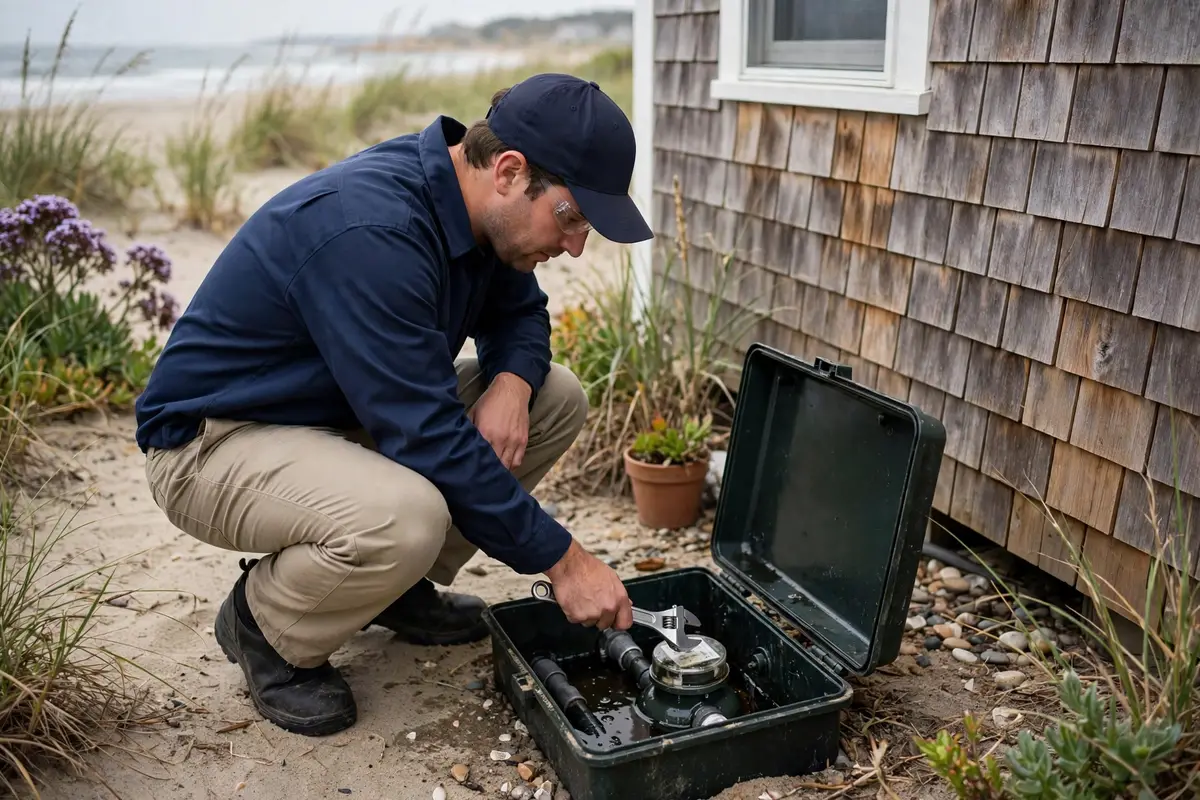
Anna Maria slabs rest on sand rather than firm clay, and sand behaves like a slow liquid whenever water moves through it for weeks at a time. A hidden leak washes fine grains away from the pipe bed, opening a small void that lets the line sag and stress its nearest joints. Over a season, that sagging can crack grout lines or tilt a section of floor just enough to notice underfoot.
Compaction during original construction varies widely across the city, since many homes grew through additions poured at different times and depths. One room may sit on well packed fill while the next rests on looser material that settles whenever it stays wet for long stretches. Our repair plans account for this uneven base, and we backfill and compact every opening carefully so the restored section rests on firm, even support.
Storm Surge and Summer Downpours on the North End
Heavy summer rain can raise the water table around Anna Maria within hours, surrounding slab edges with standing water in low yards near the canals and the bay. When the ground stays saturated, a small under slab leak blends into general wetness and becomes harder for owners to spot by sight alone. Meter readings and pressure tests cut through that confusion, showing whether household lines lose water even when every fixture sits closed.
Storm surge pushes salt water into places it rarely reaches, soaking soil around service lines and leaving corrosive residue behind as it drains away. After a major storm, we recommend a calm, methodical check of meters, water heaters, and any rooms that took on moisture, even if floors look dry again. Catching a surge related failure early protects the slab through the rest of the rainy season and into the busy winter months.
Owners who arrive after a storm should resist mopping and sealing floors right away, because fresh finishes can trap moisture and hide the pattern that detection needs to read clearly on site. Photograph wet edges, note which rooms dried slowest, and run no water for a few hours before reading the meter out at the street. Those small steps, taken calmly, give our technicians a clean starting point when they step inside your door.
What Happens When Our Crew Reaches Your Street
A visit begins with a walk through, where you show us where sounds, warmth, or dampness first appeared and share any past plumbing work you know about. We then test the meter, isolate lines, and listen across the floors, sharing what each step shows before moving to the next one. You stay part of every decision, and no concrete is cut until the leak location and repair route are both explained clearly.
Because many Anna Maria owners live out of state part of the year, we keep property managers and caretakers in the same loop with calls and photos as work proceeds. Access details such as gate codes, lockboxes, and parked golf carts are planned ahead so the visit runs smoothly without surprises. Before leaving, we retest the repaired line, walk the home with you or your manager, and note anything worth watching in coming weeks.
Reaching Anna Maria Quickly From Mainland Bradenton
Our crews travel from Bradenton across the Manatee Avenue bridge, the main route onto the island and the road that leads straight toward the city of Anna Maria. Planning around bridge openings and peak beach traffic helps us arrive with the right equipment on the first trip, rather than losing time to return runs. We stock listening gear, pressure tools, and common repair materials before crossing, since island supply runs are slow.
From the bridge, streets such as Gulf Drive, Palm Avenue, and Bay Boulevard connect us to canal homes, pier side cottages, and rentals near Bean Point alike. Familiarity with these routes matters when a leak is actively soaking a slab and every hour adds moisture to the soil below. One call sets the visit in motion, and we confirm timing, parking, and access details before our truck rolls toward the island.