
Slab Leak Care for a Working Fishing Village
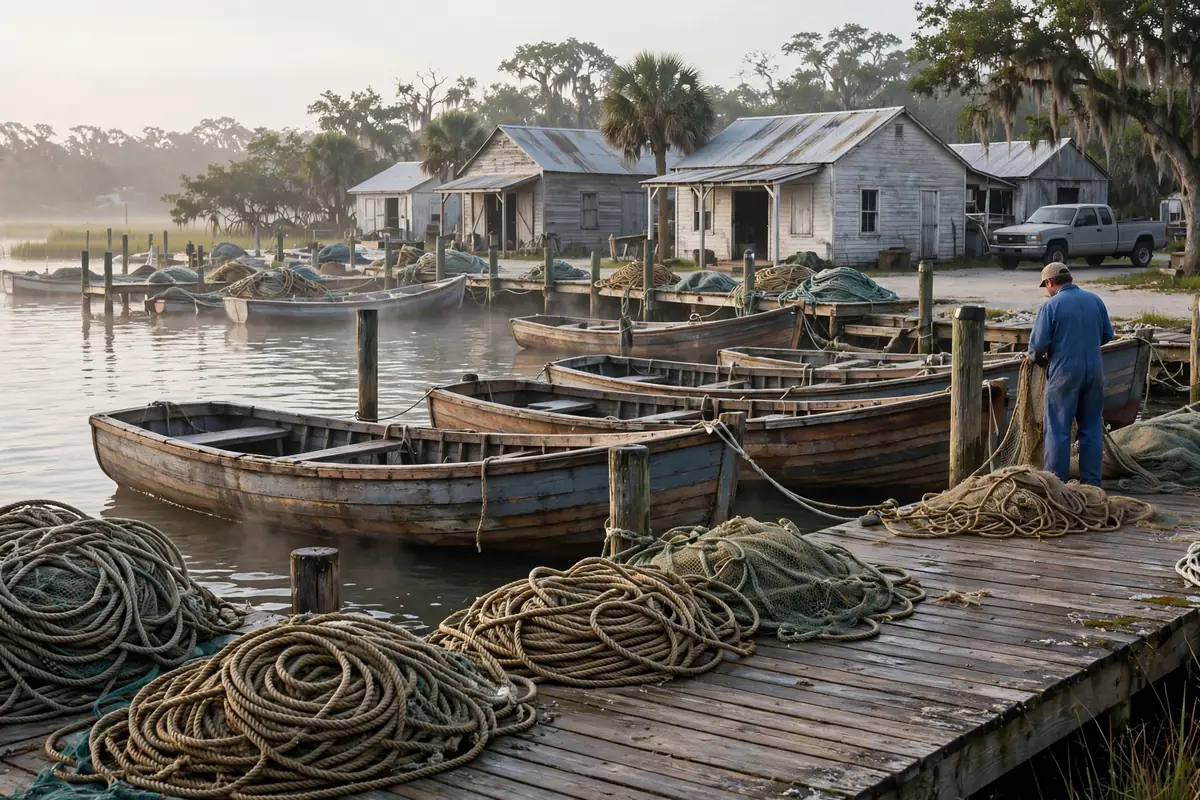
Cortez is not a resort town that happens to sit on the water, it is a working fishing village founded in the 1880s where boats still leave before dawn most days. Families here have hauled nets, mended traps, and repaired their own cottages through every era of Florida coastal life along Sarasota Bay. When household plumbing fails under a slab in Cortez, the fix should honor that practical, self reliant character.
Bradenton Slab Leak Pros approaches Cortez homes with that history in mind, whether the call comes from a cottage near the docks or a newer house along Cortez Road. We expect plumbing from several eras in a single building, tight working yards full of boats and gear, and owners who want straight answers. Our job is to find the leak accurately, explain the repair plainly, and leave the property ready for daily life.
Generations of the same surnames still work the water here, and that continuity shapes how news and trust travel through the village from one dock to the next dock along the bay. A plumber earns work in Cortez by showing up on time, speaking plainly, and standing behind a repair long after the truck has rolled away again. We take that standard seriously on every call, whether the home is a landmark cottage or a modest rental.
Bay Air and Brackish Ground in Old Cortez
Cortez rests on a low peninsula between Sarasota Bay and Palma Sola Bay, so brackish groundwater shapes nearly every buried pipe and fitting in the village each day. Salt works into the soil from both shores and from the working waterfront itself, where docks, ramps, and fish houses have lined the bay for generations. Metal lines under slabs here live in that salty ground for their entire service life, with no dry season relief.
Humidity off the bay adds a second burden above ground, corroding exposed valves, heater connections, and outdoor washdown lines that fishing families use to rinse gear and boats. Those surface failures are easy to see, but the same chemistry acts silently on joints buried under concrete floors throughout the village. When we test a Cortez home, we read both stories, checking the visible fittings while gauges reveal what the buried lines are doing.
From the Maritime Museum to the Cortez Kitchen Docks
The Florida Maritime Museum, housed in the old schoolhouse on 119th Street West, preserves the nets, boats, and photographs that tell how this village grew around commercial fishing. Streets near the museum hold some of the oldest cottages in Cortez, many raised, moved, or expanded by the same families over several generations of work. Plumbing in these homes tells a similar layered story, and careful tracing matters before any slab is opened for repair.
Down at the working waterfront, the Cortez Kitchen and the fish houses along the bay serve crews and visitors within sight of stacked crab traps and resting boats. Homes near the docks share lanes with work trucks, and water use peaks early when crews wash down and ice up for the day ahead. Leaks in this district can hide behind that busy pattern, making meter records across quiet overnight hours especially revealing.
Old Florida Cottages With Plumbing From Every Era
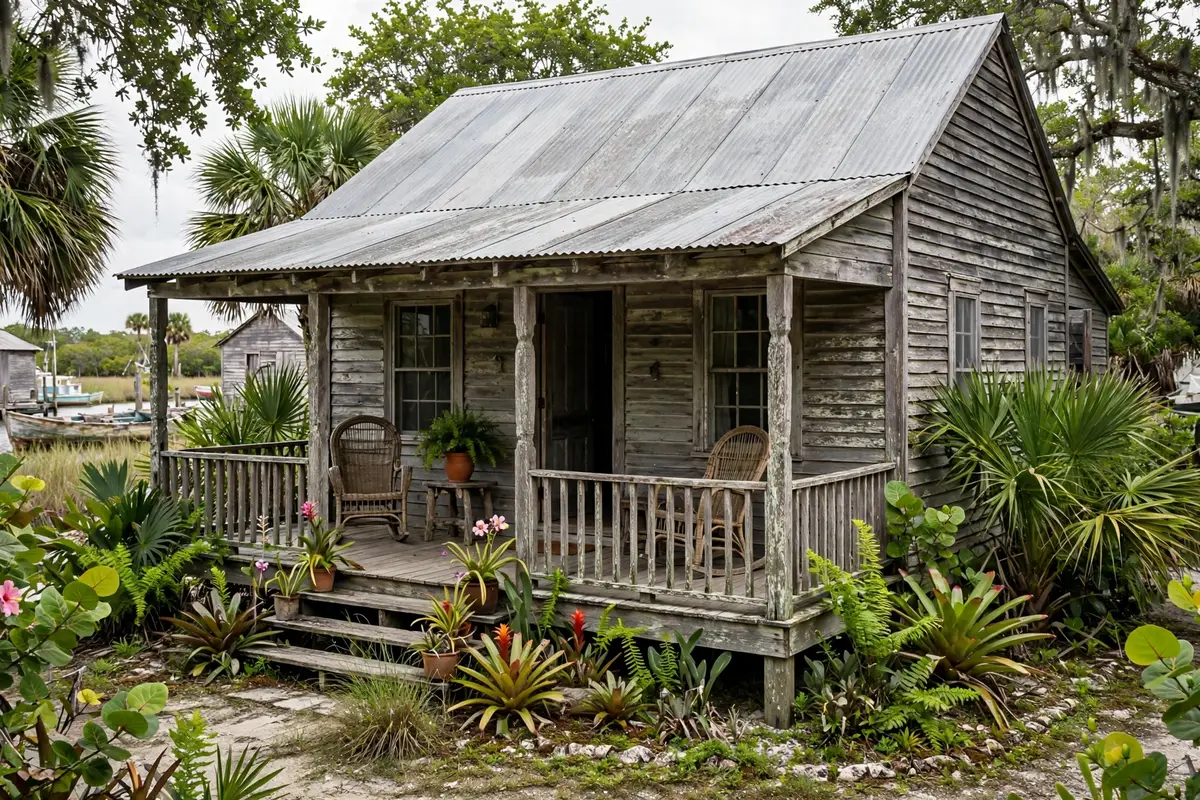
A walk through Cortez passes cracker style cottages with deep porches, net camp descendants rebuilt as homes, and modest block houses added as the village grew through the last century. One property may hold an original cottage, a mid century addition, and a modern workshop, each plumbed in the material common when it was built years apart. Galvanized, copper, and plastic lines often meet under a single roof here, joined by fittings of mixed age.
That patchwork is a point of pride and a practical challenge, since each material fails in its own way and at its own pace beneath the floors. Historic wood floors, hand built cabinets, and porches enclosed long ago deserve protection during any repair, and our crews plan openings to spare them wherever possible. Mapping the system first, room by room and era by era, keeps the eventual fix focused on the true failure point.
Where Cortez Lines Give Way Beneath the Slab
The weakest points in Cortez plumbing are usually the transitions, where a newer line ties into an older one under an addition or where galvanized pipe meets copper at a past repair. Mixed metals in damp, salty soil react with each other, and the older pipe thins fastest right at that junction over the passing years. Testing branch by branch exposes these junctions, since pressure drops concentrate on the run that contains the failing joint.
Lines serving outdoor washdown areas and fish cleaning stations face hard use in the village, and their buried runs cross yards where trailers, traps, and boats are parked and moved. Ground movement from that heavy surface activity stresses fittings near the slab edge, especially where soil stays soft after bay side rains. We include these working yard runs in every inspection, because a Cortez leak is as likely outside as beneath a kitchen floor.
Signs That Surface in Village Homes and Yards
Cortez homeowners often notice a slab problem outdoors first, where a patch of yard near the house stays spongy long after neighboring ground has dried in the sun. Shell driveways may show a dark, damp rectangle that returns each morning, and oyster shell or gravel can wash subtly downhill from one spot beside the foundation. These yard clues are valuable, so note where they appear and share them when you call us out.
Indoors, look for the classics with a local twist, like a warm trail across the kitchen floor, doors that suddenly stick in frames they fit last season, or a fishy musty smell in a closed spare room. Low pressure at a single hose bib or an outdoor sink that sputters can also point to a buried loss on that branch. Together these hints help us decide which lines to isolate first during the visit.
Tracing Buried Leaks Without Harming Historic Floors
Detection in Cortez honors the age of these homes, starting with non invasive steps: meter verification, fixture checks, and pressure isolation of each branch the house contains. Acoustic listening then follows the buried lines across wood, tile, and concrete finishes, with sensors tuned to the faint hiss a small leak makes under a quiet floor. Early morning appointments suit this work, before dock traffic and road noise build along the village streets.
Where floors include original heart pine or older tile that owners want preserved, we take extra readings from adjoining rooms and outdoor access points to confirm the target before cutting. Thermal imaging supports the search on hot water runs, showing warmth blooming through the slab directly above the escaping line in many cases. The result is a marked spot supported by several kinds of evidence, not a guess based on one damp patch.
Repair Approaches Suited to Village Properties
For many Cortez cottages, a reroute is the kindest long term repair, carrying new supply lines through walls or porch ceilings while the patched, aging network under the slab is retired. This approach avoids cutting historic floors and sidesteps the mixed metal junctions that caused the trouble in the first place for the household. It also simplifies future maintenance, since the new runs stay reachable for any work the home needs later.
A focused spot repair still makes sense when testing shows one newer line with a single failure and the rest of the system holding pressure with confidence. In those cases we open the smallest practical section, replace the damaged length with compatible materials, and verify the whole branch before restoring the concrete surface. Whichever route fits, we match new fittings carefully to existing metals, avoiding the mixed junction mistakes of past decades.
Before any route is chosen, we walk the likely path with you, pointing out where new lines would run, which walls would open, and how water service returns at each stage of work. That walkthrough prevents surprises in homes where additions, porches, and workshops connect in unexpected ways behind finished surfaces and stored equipment. Cortez owners appreciate seeing the whole plan laid out plainly before the first fitting is cut or joined on site.
Shell, Sand, and Shifting Ground Under Cortez Homes
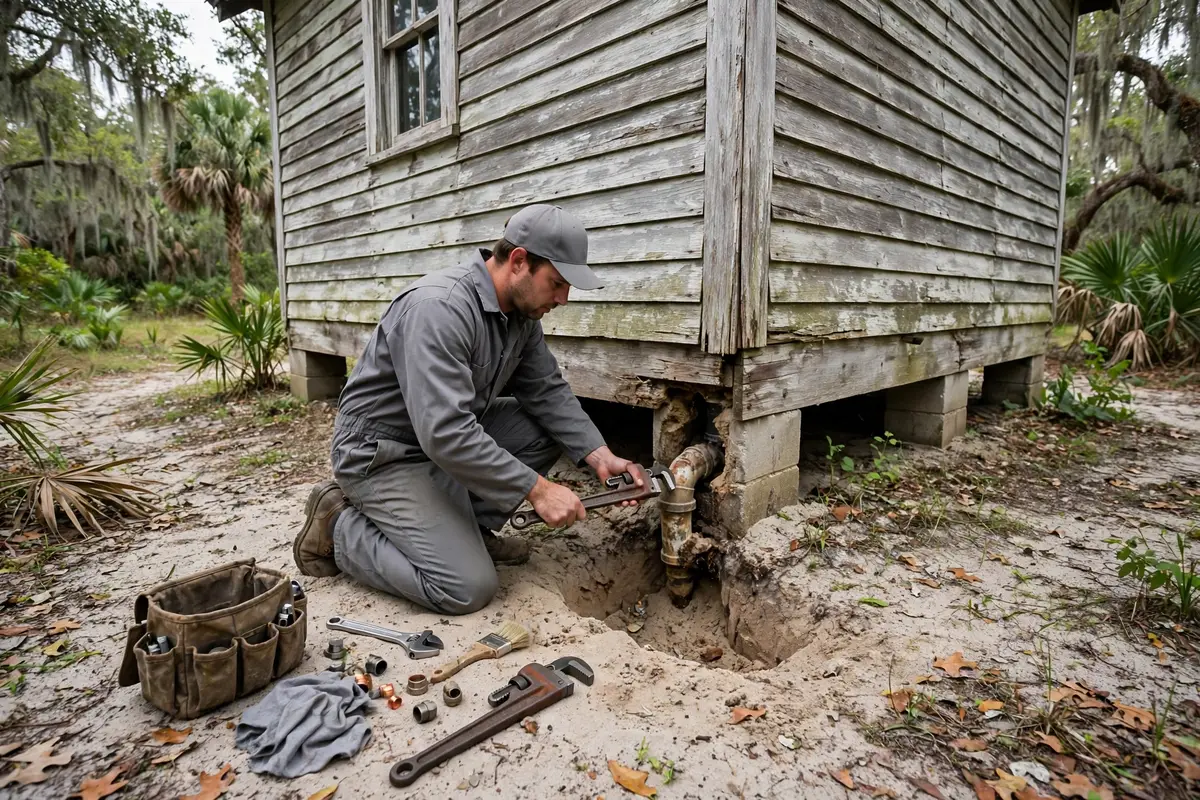
Dig anywhere in Cortez and you will find layers of shell, sand, and fill placed by generations who raised lots one load at a time against the bay tides. Those hand built layers vary from yard to yard and even room to room, so slabs here rest on ground with a personal history of its own. A leak exploits the loosest layer first, tunneling along it and undermining support in a line rather than a circle.
Mature trees add another force, as live oaks and banyans spread roots through the same moist soil that surrounds buried water lines near older cottages. Roots follow leak moisture faithfully, thickening around joints and sometimes shifting a line enough to open a hairline crack at a fitting nearby. Our repair work includes clearing root pressure at the failure point and bedding the new pipe in clean, compacted material for lasting support.
Bay Storms, High Tides, and Rainy Months in Cortez
When storms push Sarasota Bay upward, Cortez feels it in the streets near the docks first, where water pools around fish houses and creeps into low yards beside cottages. That floodwater saturates the soil under slabs for days after the sky clears, and joints already weakened by corrosion may finally open under the changed ground pressure. A post storm meter reading is cheap insurance, and village owners have long made it a habit.
Even without storms, the summer pattern of hard daily rain keeps Cortez ground near saturation while fishing crews and families use water heavily from dawn onward each day. Separating a real plumbing loss from all that normal wetness takes instruments, not guesswork, and pressure isolation gives a clean answer within a single visit. Repairs finished before the wettest weeks protect both the slab and the soil that generations built this village upon.
Winter brings its own quieter test, when cold snaps send village pipes through rare sharp temperature swings and older joints contract overnight across the peninsula in the dark hours before dawn. A line that held through summer sometimes begins weeping on the first cold morning, showing up as a meter creep nobody noticed during warmer weeks. Checking the meter after the first cold night of the season is a small habit with real value here.
What a Cortez Service Visit Looks Like Step by Step
Your visit starts with a conversation on the porch or at the kitchen table, covering when signs appeared, what plumbing changes the home has seen, and which outdoor lines serve the yard and docks. We then verify the meter, isolate branches one at a time, and listen across the floors, explaining results in the straightforward terms Cortez owners expect from any tradesperson. Nothing gets cut until the evidence is shared and the plan is agreed together.
Work areas stay respectful of the property, with boats, traps, and gear moved only as agreed and floors protected from the first tool to the last bucket out. Repairs are pressure tested on completion, water service is restored and checked at every fixture, and the site is left clean enough for normal village life to resume. We finish with simple guidance on reading your meter monthly, a habit that suits this community well.
A Short Run From Bradenton Into the Village
Cortez sits just west of Bradenton along Cortez Road, minutes from our base and directly on the route our crews already travel toward the island bridges each day. That closeness means Cortez calls rarely wait behind long cross county drives, and return visits for testing or follow up repairs are easy to schedule around tides and work hours. We know the village lanes, the busy dock corners, and the quiet residential streets behind them.
From 119th Street West near the museum to the waterfront blocks and the homes along 45th Avenue West, our service covers the whole village and its edges. When you call, we note your nearest cross street, any large vehicles or boats to work around, and the best place for our truck on your lot. Local familiarity keeps the visit efficient, and your slab gets attention while the problem is still small and manageable.