Symptoms That Point Both Ways
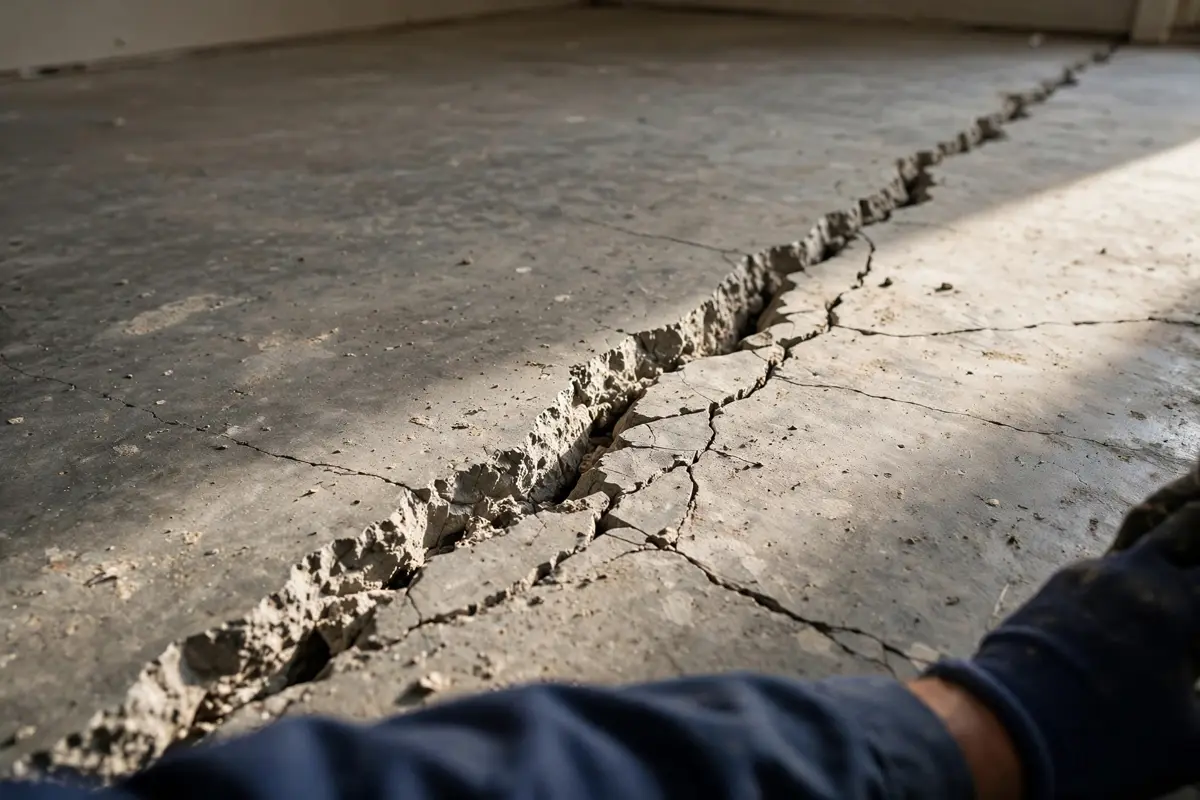
Some symptoms are shared: cracks in tile or drywall, doors and windows that stick, gaps at baseboards, and floors that feel uneven. A long running leak can cause several of these by softening and washing the sand beneath the slab, which lets sections settle. Settlement from other causes can look very similar. Age of the home matters, because older Bradenton slabs may carry both tired pipes and decades of minor ground movement. Fast water loss and slow settlement produce different timelines worth comparing carefully.
That overlap is why guessing from cracks alone leads Bradenton homeowners astray. The two problems need different first steps, and treating settlement while water still flows under the slab wastes the repair. Start by ruling water in or out, because that test is quick, non destructive, and decides the order of everything else. A symptom log that separates water signs from movement signs will make every professional visit that follows far more useful.
Water Clues That Suggest a Leak
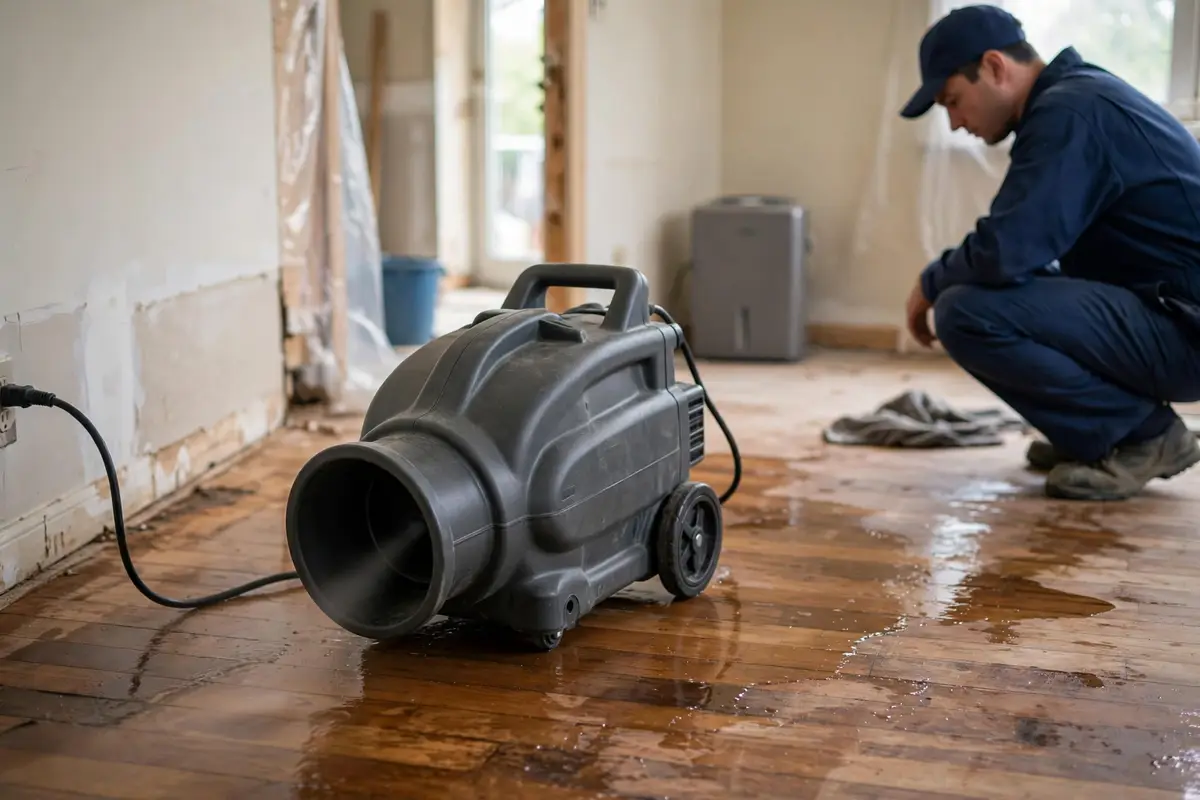
Signs tied to water point toward a leak: a meter that moves with taps closed, warm floor spots, damp or musty smells, a rising water bill, and sounds of running water in a quiet house. Cracks that appear alongside those signs, especially near bathrooms and kitchens, deserve a leak check promptly. Warm floors plus meter movement is a strong combination, since settlement alone does not use water or heat concrete. Temperature is a simple clue that needs no special equipment at all.
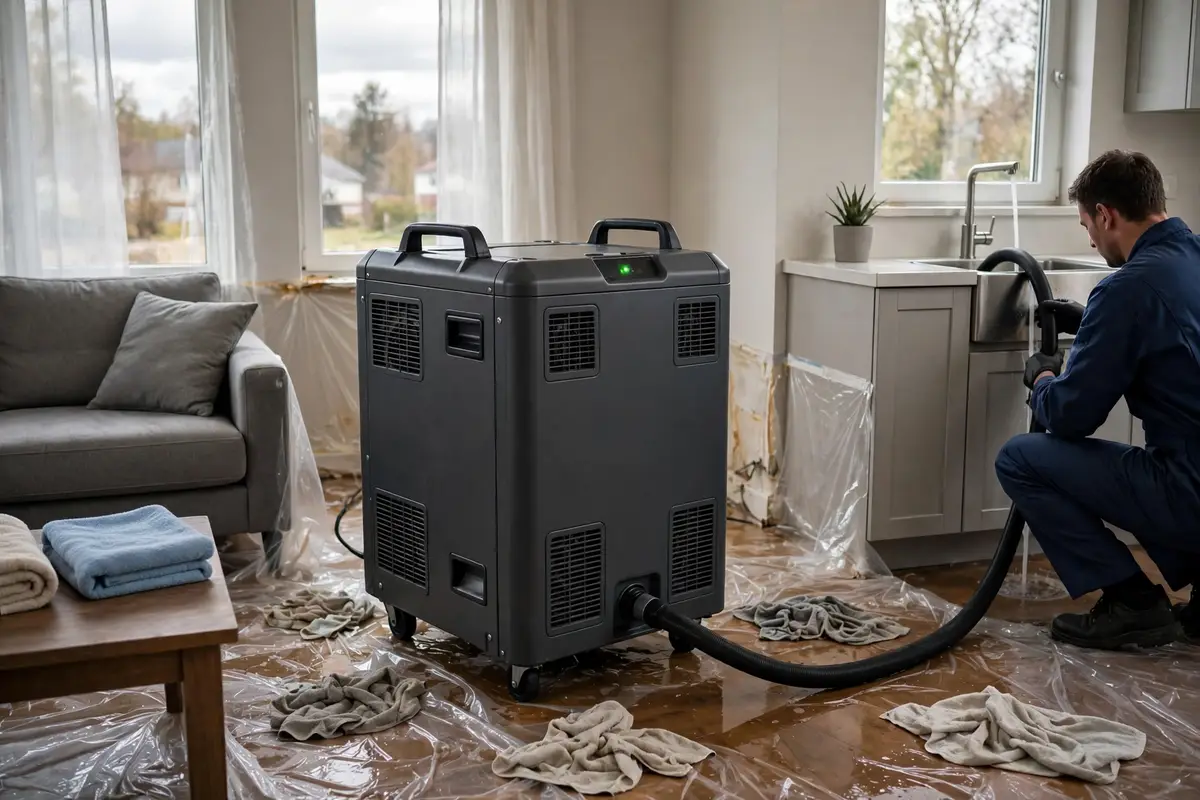
Moisture readings and listening tests can confirm whether water is active under the slab today, not just historically. In Manatee County, the high water table complicates readings after heavy rain, so timing and comparison matter. A clear written result, leak found or no leak found, gives foundation specialists a firmer starting point too. If readings stay normal across several tests, keep logging cracks, because that evidence then supports a settlement assessment instead.
Settlement Clues in Walls and Doors
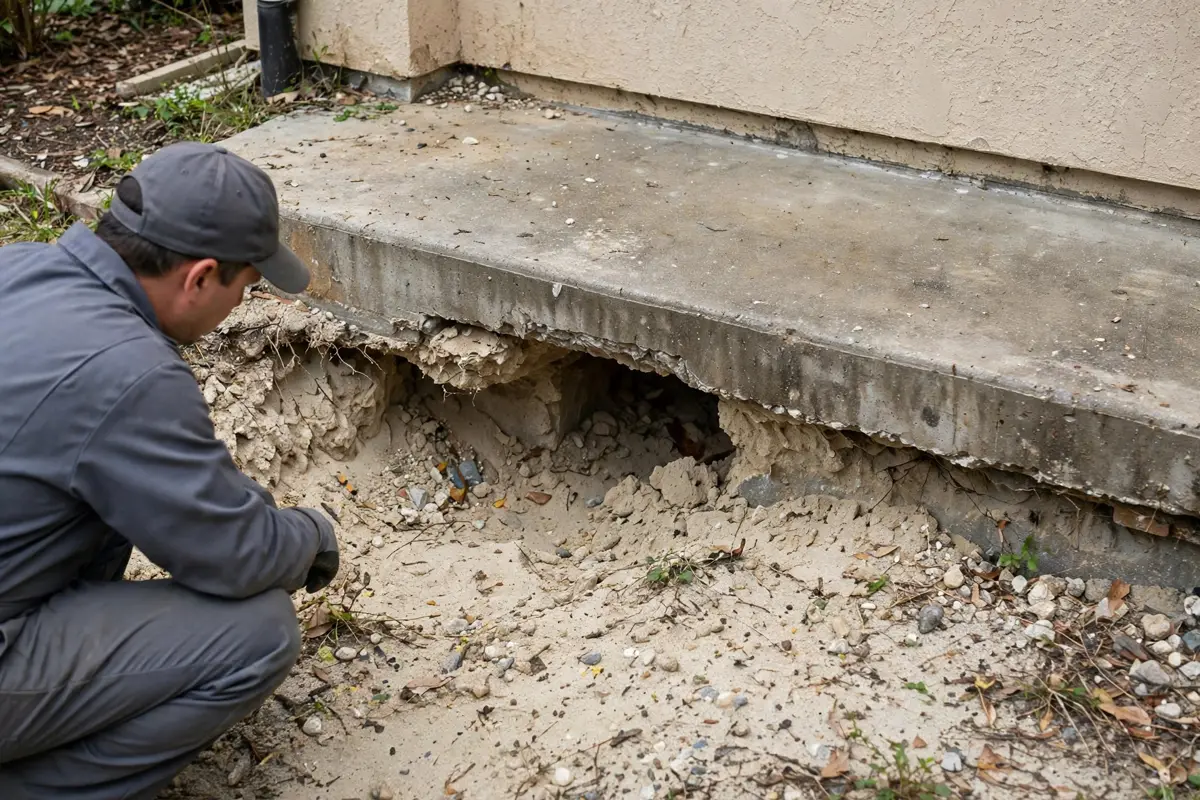
Settlement without a leak often shows as slow, seasonal changes: cracks that open and close slightly with wet and dry months, sloping that has been stable for years, and no change in water use or meter behavior. Exterior signs can include soil pulling away from the slab edge in dry spells. Soil pulling away in dry weather is common in Florida and often refills after rain, so one sighting proves little. Older photos of your home can help date when changes first appeared.
Florida sand and limestone behave differently from clay soils elsewhere, so movement patterns here have local causes worth local assessment. Photograph cracks with a coin for scale and date each photo. A series over several weeks shows whether change is active and fast, which suggests water, or slow and stable, which suggests longer term settlement. Measure the widest cracks monthly with a ruler in your photos, since steady widening tells a different story.
Why the Leak Check Comes First
An active leak keeps adding water and keeps moving soil, so any leveling or crack repair done above it can shift again. Stopping water first stabilizes the ground and lets an honest foundation assessment follow. If no leak is found, you have lost little: a meter test and detection visit are small beside foundation work. Foundation work can involve piers or grout, and flowing water can undermine both, which is why sequencing protects spending. Fix water first, then judge what movement remains after the ground dries.
Share the detection findings with any foundation professional you consult, since they change what that specialist will recommend. To book the leak check in Bradenton, call (941) 307-1712 and mention cracks or sticking doors alongside any water signs. Coordinated information between trades protects your home better than either visit alone. Ask both trades to note their findings in writing, so each plan builds on tested facts rather than assumptions.
Steps for Bradenton Homes on Sand
Begin with the meter test on a dry day if you can, then note water signs and crack changes in one simple log. Keep irrigation off for a day before testing, because saturated sand from watering can confuse moisture readings near the slab edge in low lying Bradenton lots. Avoid watering deeply beside the foundation during your checks, since irrigation can mimic leak moisture along the slab edge. A dated log beats memory when several weeks pass between professional visits.
Next, arrange pinpoint detection if the meter moves, and only then bring foundation questions to a specialist with those results in hand. Homes near the Manatee River and around Anna Maria Island face extra ground moisture, so local context matters in every reading. Acting in this order keeps each repair grounded in the cause, not just the symptom. Once the order of work is set, keep both reports together, because future buyers and trades will value that history.
Questions About Slab Leak or Foundation Problem
Can a slab leak really crack my tile floors?
Yes, it can contribute, because water washing sand from under the slab lets the concrete shift slightly, and rigid tile shows that movement as cracks in tile or grout. Not every cracked tile means a leak, though. Pair the crack check with a meter test for a clearer answer.
My doors stick only in summer, is that a leak?
Seasonal sticking often follows humidity swelling doors and frames in Florida summers, and may have nothing to do with the slab. If sticking arrives with meter movement, damp smells, or a higher bill, treat it more seriously. Log the timing alongside your water readings to see the pattern.
Should I call a foundation company before checking for leaks?
The leak check is the better first call, because it is quicker and less invasive, and an active leak changes any foundation plan. If detection finds no leak, take that written result to the foundation specialist. It saves them time and strengthens the advice you get.
How fast can a leak affect the foundation below?
It depends on flow rate and soil, but sandy support can wash out steadily while a leak runs day and night. Weeks of unnoticed loss can matter, which is why early meter tests help. There is no need to panic, only to test promptly and act on findings.