Shut Off the Water First
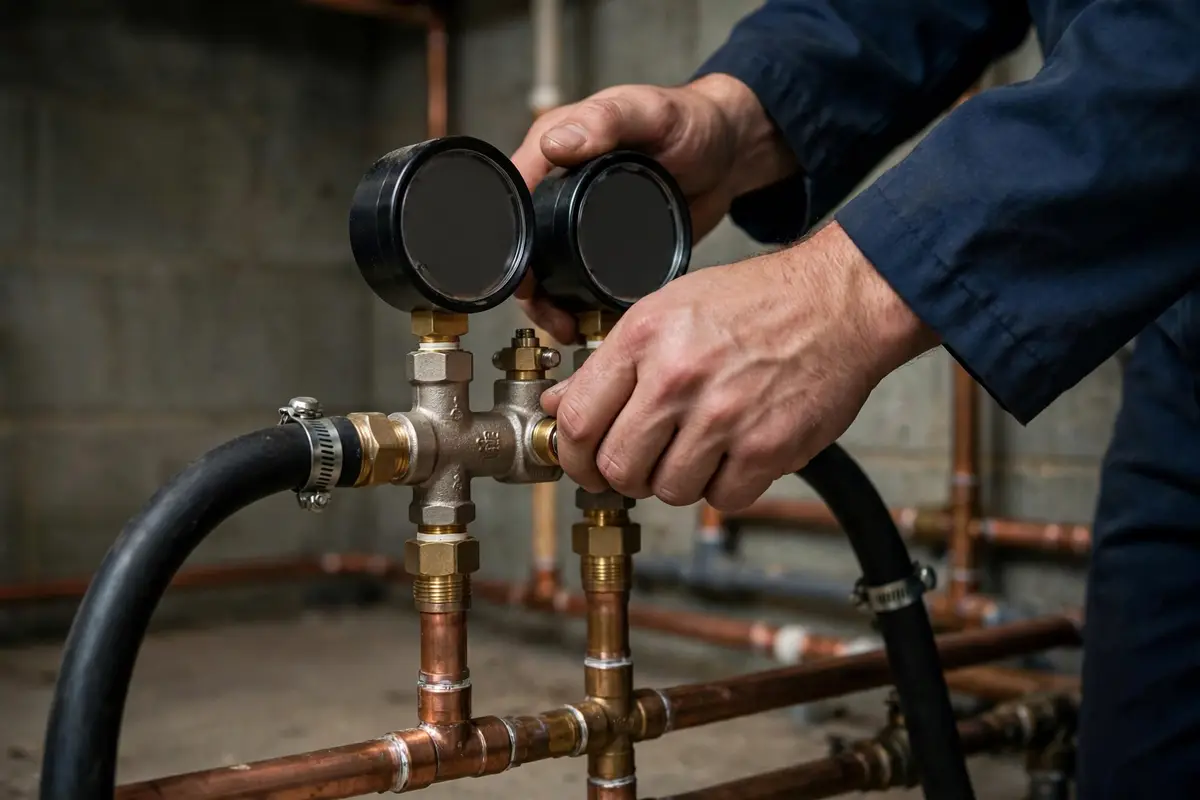
Start at the main shutoff, usually near the street meter or where the main line enters the home. Turn it fully off before you investigate further, because every minute of flow adds water under the slab and into the sandy soil below. If the main valve sticks, use the meter box valve on the street side instead. If you are unsure which valve controls the whole house, turn the valve that stops all indoor flow and confirm at a tap. That first hour sets the tone for everything that follows afterward.
Next, open a low faucet briefly to relieve pressure, then close it again so you can watch the meter clearly. Tell everyone in the house not to run water, flush toilets, or start laundry or the dishwasher. In slab on grade homes across Bradenton, stopping the flow early is the single step that most limits hidden damage. Keep a towel and a bucket nearby while you work, since lines may drip briefly as pressure falls and fixtures drain down.
Check the Meter to Confirm Flow
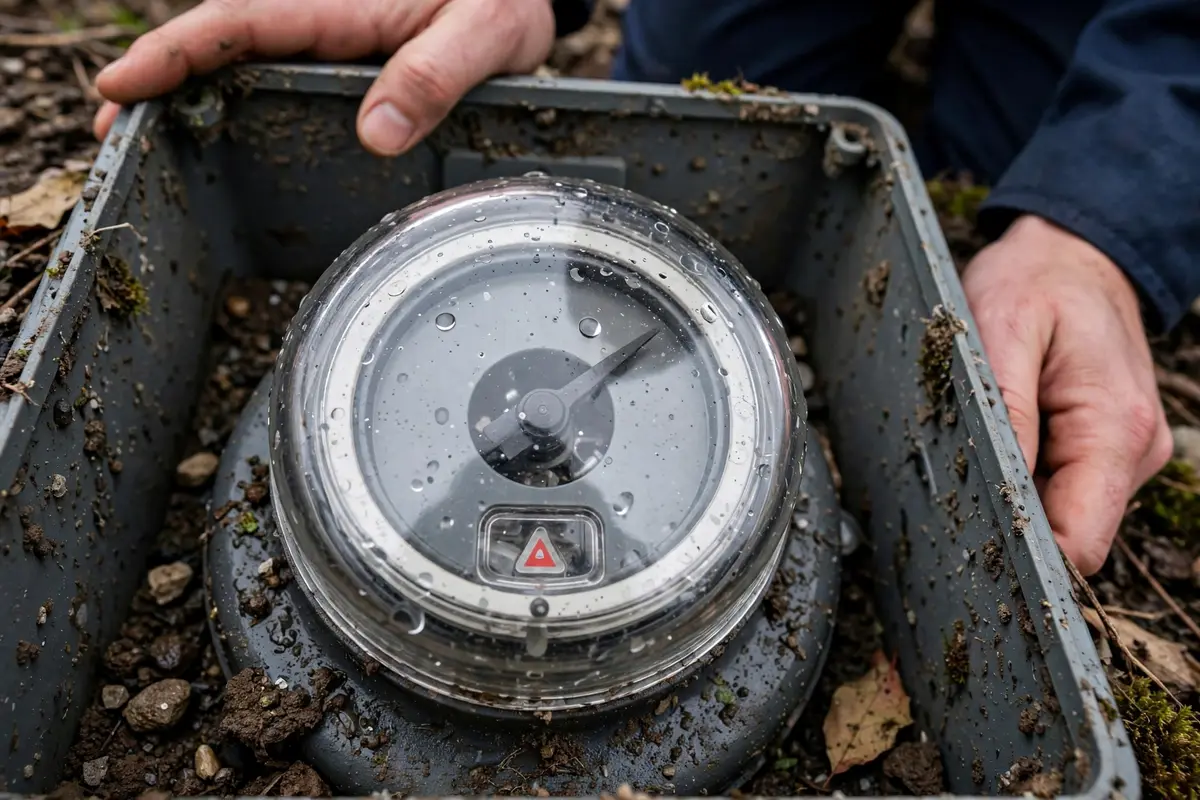
With all water off inside, look at the meter dial or digital display and note the reading. Many meters have a small leak indicator that spins or blinks when water moves, even at a slow rate. If it keeps moving with everything closed, water is escaping somewhere in the system. A phone photo of the first reading protects you if the dial is hard to read later in changing light. A flashlight helps here, since meter boxes and valve areas are often shaded.
Wait ten minutes without using water and check the reading again for any change. Write down both numbers and the time, because that record helps the crew judge how active the loss is. Around Manatee County, irrigation lines can confuse the test, so make sure outdoor systems are off during the check. If the indicator moves only in bursts, note the timing, since a toilet or softener cycling can explain short bursts of flow.
Move Belongings Away From Wet Areas
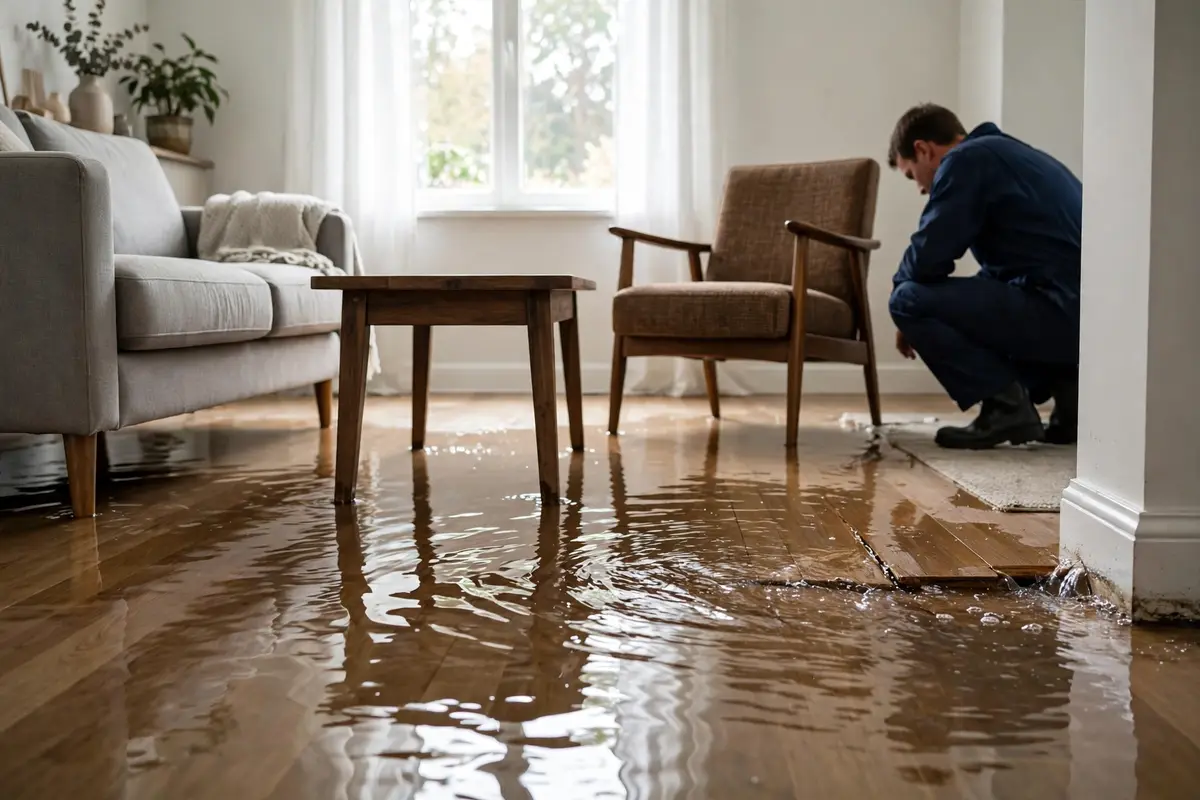
Once the water is off, move furniture, rugs, boxes, and electronics away from warm, damp, or buckling areas of floor. Lift items rather than dragging them, so you do not tear flooring that may already be soft. Set small items on dry tile or on a porch until the area is assessed. Placing wet rugs outside to drip keeps extra moisture from spreading into dry rooms while you wait for the visit. Small leaks rarely stay small once pressure returns to the line again.
Take quick phone photos of wet baseboards, stained grout, and any pooled water before things dry or shift. Photos with the time noted help document the sequence for your own records. Near the Riverwalk and in older Bradenton neighborhoods, low lying homes can see moisture wick quickly into walls, so clearing the perimeter matters. Keep pathways clear from the front door to the wet area, so the crew can bring listening equipment in without delay.
Actions That Make Damage Worse
Do not start breaking tile, cutting concrete, or renting equipment to chase a sound you heard through the floor. Guessing at a location often opens the wrong spot and leaves the real break still leaking below. Do not ignore the problem either, hoping a warm spot or higher bill will settle on its own. Turning the water back on to test a hunch can restart the loss and soak areas that had begun to dry. Staying calm and methodical protects both the home and your own safety.
Avoid chemical drain products and repeated mopping as a fix, since neither reaches a pressurized line under the slab. Keep children and pets off suspect flooring where tiles have lifted. If water nears outlets or appliances, switch off power to that area at the breaker and wait for guidance. Write down what you avoided doing and when you shut the water off, since that timeline helps explain the damage pattern.
What Happens When Help Arrives
When the crew arrives, they will confirm the meter reading, listen along supply lines, and pinpoint the loss before any floor is opened. Share your meter notes, photos, and when you first noticed warmth, sounds, or dampness. That history shortens the search and keeps the opening as small as the work allows. Ask the crew to walk you to the marked spot and show you how the sound and pressure results line up there. Clear notes taken today will still make sense weeks from now too.
You will get the findings explained in plain terms, with the repair options for that exact location. To arrange a visit in Bradenton, call (941) 307-1712 and have your meter reading ready. Homes from the Village of the Arts to east Manatee County are built on similar slabs, so early pinpointing protects both floor and foundation. Before they leave, confirm which valve was used, what was capped or repaired, and when normal water use can resume.
Questions About Slab Leak
Should I turn off power if water is near outlets?
If water is close to outlets, a power strip, or an appliance, turn off that circuit at the breaker before touching anything nearby. Do not step in standing water to reach a switch. Mention it when you call, so the visit can be planned safely.
Can I still use water in another part of the house?
It is better to keep the main supply off until the loss is located, because most Bradenton homes share lines under one slab. Using one tap can repressurize the leaking section. Bottled water covers drinking needs for the short wait in most cases.
What should I tell the crew when I first call?
Share when you noticed the first sign, what that sign was, your meter readings, and whether floors feel warm or damp. Note any recent plumbing work or storms. Clear, timed details help the crew bring the right listening gear and start in the right area.
Is it safe to stay in the home overnight?
In many cases yes, once the water is off and power risks are handled, though it depends on how much moisture has spread. If floors are lifting, smells are strong, or water reached wiring, ask directly when you call whether staying makes sense.